Intervention #39: The Meanders of Art

22 July 2026 9:00 AM – 27 September 2026 6:00 PM
Muzeum Novojičínska: Muzeum Frenštát pod Radhoštěm | Muzeum Šipka Štramberk | Muzeum Tatra Kopřivnice | Rodný dům Františka Palackého Hodslavice | Svět Komenského Fulnek a Zámek Nová Horka
Artists: Anna Hulačová, Jakub Jansa, Eva Koťátková, Tereza Štětinová, Miroslava Večeřová
Curators: Veronika Čechová, Tereza Jindrová
This comprehensive exhibition project, prepared in collaboration with the Museum of the Novojičínsko Region, invites visitors on a journey that is not merely a physical movement between individual locations, but also an imaginary journey across the landscape, through time, and through the layers of human and natural memory. The meanders of the river Oder served as inspiration — quiet, ever-changing lines that shape the landscape of the Novojičínsko region and simultaneously serve as a metaphor for the exhibition’s nonlinear narrative.
The project is divided into several parts located in various buildings administered by the Novojičín Museum — the Frenštát pod Radhoštěm Museum, the Arrow Museum in Štramberk, Tatra Museum Koprivnice, Birthplace of František Palacký in Hodslavice, Comenius' World Fulnek, and Nová Horka castle. Each of these locations hosts one or more works of art that can be viewed independently, but they also form part of the project’s overarching narrative. Visitors are invited to gradually put together the entire story of the intervention during their summer trips across the region—as if they were following the course of a river and discovering its distinctive bends.
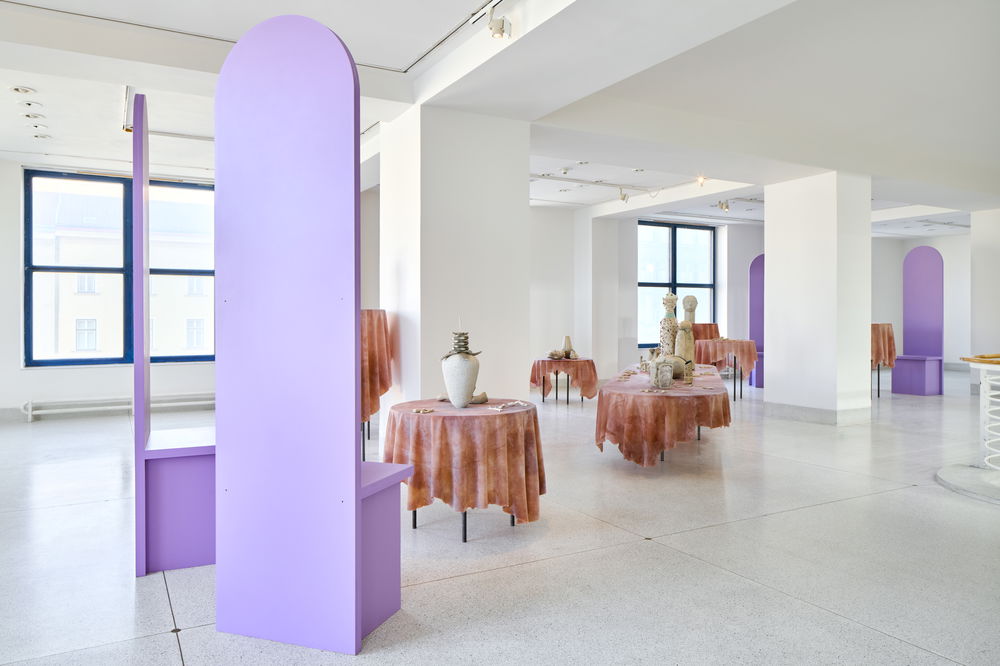
The exhibition presents a multi-layered landscape in which contemporary art intertwines with regional characteristics and the viewer’s individual experience. Each stop offers a different perspective, a different tone, and a different message—ranging from subtle interventions in the museum’s permanent expositions to visually dominant installations. The decentralized format of the exhibition encourages active movement and the rediscovery of places that are typically perceived as separate. The intervention thus not only breathes new life into specific museum and castle buildings but also creates an imaginary current that—just like the Oder river—connects individual elements into a larger, vibrant whole.


Contemporary art in your mailbox
Be the first in the picture. We'll let you know about new projects, exhibitions and other events of Jindřich Chalupecký Society and our partners.